
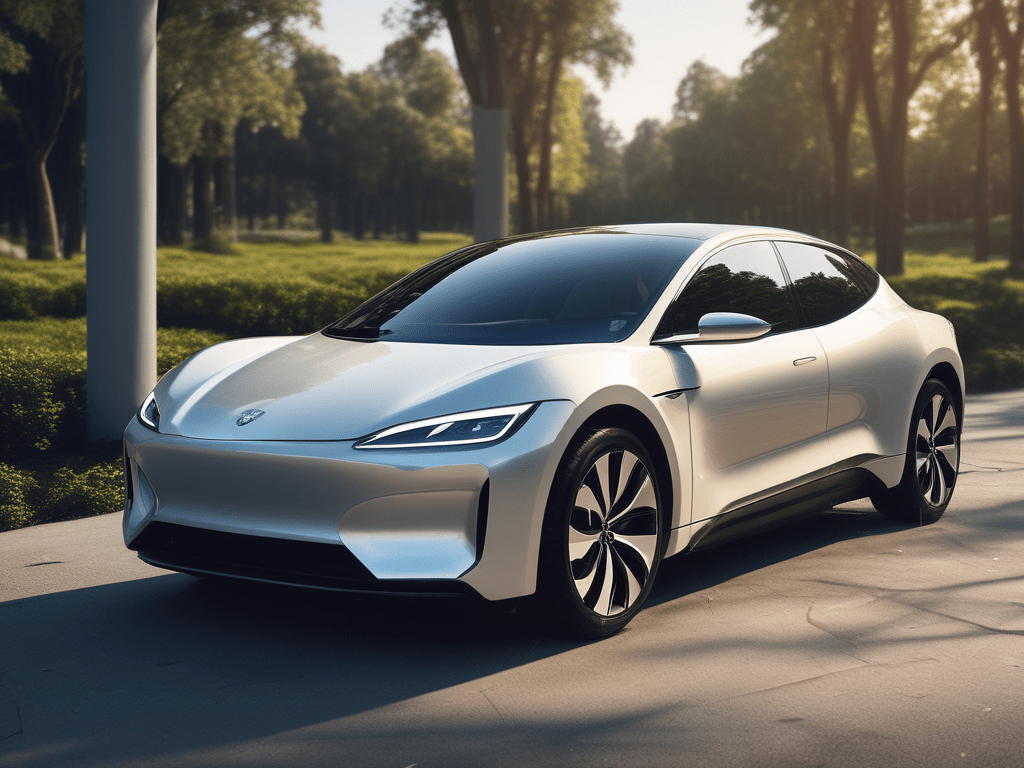
Without further ado here are the essential pros of getting yourself an electric car such as the much sought after Tesla:
Zero Emissions
When you’re driving in an electric car, it’s not producing any emissions from an exhaust. The electrical system powers the motor that moves the wheels, as well as all the associated electrical items like lights and air conditioning. The car itself will no longer be polluting our world and you can sleep easier you filthy eco warrior. However, it should be remembered that when you charge an electric car, you’re using the National Grid, which transports electricity generated from wind farms and solar power, as well as energy from coal, nuclear, and gas. Typically 40% of the National Grid is sourced from fossil fuels. However, the UK as a whole is ambitious towards changing this structure so this will need a big drive in the infrastructure department.
Buying Incentives
On paper, electric cars are more expensive than their petrol or diesel powered equivalents, particularly when new. That remains the case even when the government’s plug-in car grant is taken into account, which offers £3,500 off the price of a brand new electric car. There’s no subsidy to buy a used electric car (although the government does offer £500 towards a home charging point) but prices are much lower than when new. Elon is trying to make them more affordable but as it is a relatively new market, prices will be steep until it becomes more accepted so basically just be richer please.
Fuel
One of the biggest appeals of electric car ownership is not having to fill it up with fuel. The national average price of petrol in the UK is £1.31, and £1.36 for diesel. If you cover 8,000 miles a year, switching to electric can save almost £1,000 annually compared with the average petrol or diesel car. Weaning yourself off the need to visit the pumps saves precious time too (as long as you charge from home) – as there’s no more waiting around for people to fill up, there is now more time to complete your weekly shop, check your phone, and then find a radio station, before you set off on a stupidly long journey that needs that playlist that absolutely slaps.
Tax Benefits
Most electric cars are tax free. That means you’re saving yourself at least £140 a year when compared with a petrol or diesel car. The savings can be even greater if you’re looking at used cars: electric cars have been tax free for more than a decade, but the most polluting cars that were on the road before April 2017 are taxed more than £500 per year. Guys if you’re not sold at tax free then I don’t know what else to say.
Noise Levels
Electric cars are extremely quiet, which can be momentarily unsettling (some people need that grunt before they get going) the first time that you get behind the wheel. There are no unruly engine notes or repetitive droning on. It’s not completely silent though, you can’t sneak up entirely on unsuspecting pedestrians. The motors generally make a ‘whoosh’ sound, plus wind and tire noise is more apparent as there’s no engine to drown it out. Enthusiasts will tell you the noise of a car is one of the best things about it, and this may well be true for sports cars but given the choice of a rattily diesel engine or a silent electric one, most would choose the latter, Zen is the way forward.
Acceleration
As electric cars do away with most of the mechanical gubbins associated with petrol or diesel cars, they offer a different way of driving too. Power is delivered instantly to the wheels, and you can tell the difference when you put your foot down. More torque for your buck for those who feel the need to have a power presence while on the road.
Reputation
Electric cars have a certain air about them. Those in the know understand that you’re doing your bit for the environment and other electric car drivers acknowledge you. And an electric car parked on a pretty street can seem pretty chic. Not to mention you get the unspoken nod from every other electric car driver as if you’re in some secret club. Poggers.
As per a quintessential pro and cons list, here are the much needed cons of owning or potentially buying your much needed Tesla (other electric brands are available):
Range
We’re starting with the worst first. You can’t be as spontaneous with an electric car as you can with a petrol or diesel one. Owning an electric car requires much more planning power. Range for most cars is more than 100 miles – which is more than enough for most people’s commute. But what happens if you find yourself somewhere new, miles away from home? You’ll need to find a charging point. This is the biggest concern and if you do not possess the necessary discipline to own this car as you might find yourself stranded because of your whimsical ways.
Charging Stations
Nationwide, there are 4,200 public charging locations with around 6,500 individual charging points. Most electric cars’ sat-navs will find a charging point for you, but most are found in urban areas. And there’s a cost. It’s not as expensive as petrol, but for instance, the biggest public charging company, Polar, charges around £8 a month as a membership fee, and you’ll pay more to use around a third of the company’s chargers (the rest are free for members). If travelling wasn’t stressful enough you now have to take this into account, not to mention, imagine not finding enough chargers at a given point in time and going without.
Charging Time
Charging your car is nowhere near as quick as filling it up with petrol. The time changes from car to car, and also by how powerful your charger is. A Nissan Leaf 30kWh takes four hours to charge from empty using a 7kW charger. Tesla’s ‘superchargers’ can charge a Tesla 80 per cent in 30 minutes. Home wall chargers can be bought for around £500, and will deliver between 15 and 30 miles charge per hour. An ordinary three-pin socket found in your home will deliver 7.5miles of charge per hour. To put that in context, a Hyundai Ioniq takes twelve hours to charge when using an ordinary three-pin socket. Charging is essentially the key issue here and if you have an apple device you will already be familiar with how annoying it can get carrying your charger everywhere you go.
Price
There’s no getting round the fact that electric cars are more expensive to buy than traditional petrol and diesel powered cars. The cheapest Volkswagen Golf starts from £18,230, whereas an e-Golf costs £32,075. It’s not a direct comparison by any means, as the e-Golf has lots of tech and options that a base-spec petrol powered one doesn’t. But it’s still a hefty difference. Again, just be rich and you’re sorted, what’s the problem peasant.
Thrill Factor
Electric cars are inherently heavy because of their batteries. And despite the rapid acceleration found in some, like the Tesla Model S, that weight is often apparent in corners where they often feel heavy and slow to change direction, eliminating any driving fun or satisfaction. No more odd satisfying drives around the hills of inverness.
Reputation
Electric cars have a certain air about them. And the people who own them are enthusiastic. To some people, this may be a bit much. Some electric cars have the word electric absolutely plastered on them as well, and it can make you look like you’re trying too hard. Some might even say over compensating for something.
Taking this all in the choice is yours; you can take either the red pill or the blue pill.

